Europe > 🇮🇹 Italy > Milan (MXP)

🚆 🚌⛴️ Do you need to rent a car in Milan ?
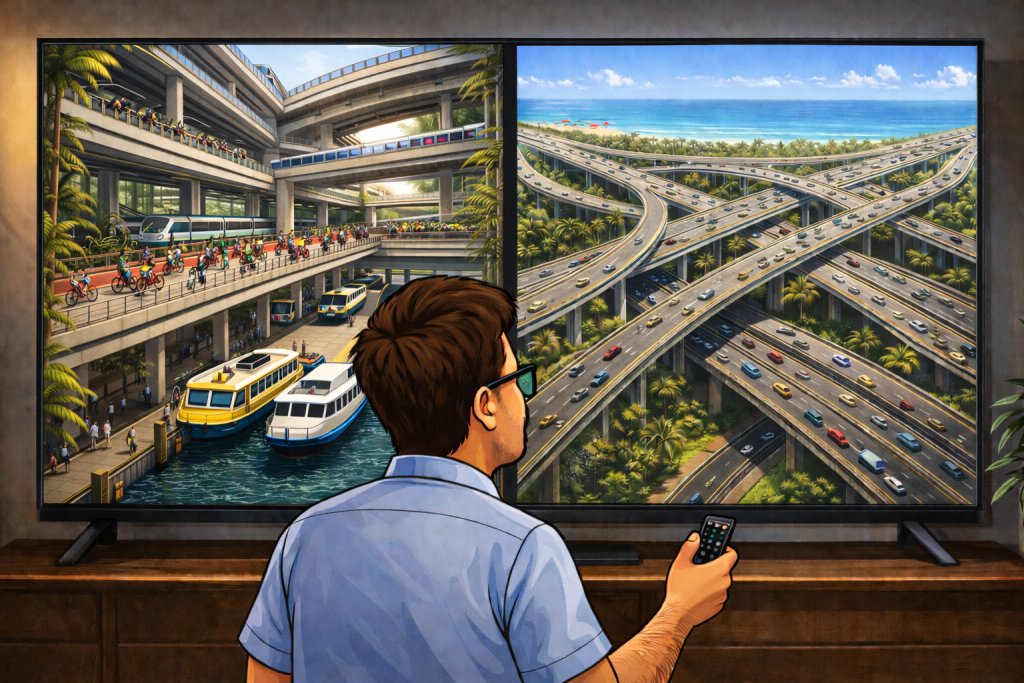
These scores are based on the quality of public transport and other travel options. If these are good enough to see the main points of interest, then you don’t strictly need to rent a car.



- For all transport modes, a score of 0 = very poor or none available; 10 = outstandingly good.
💰💶💳 Is it worth hiring a car in Milan?
These scores reflect the practical factors that affect whether renting a car is convenient, good value, and stress-free.

- For all factors, a score of 0 = very poor; 10 = outstandingly good
Milan Car Rental Costs
Price bands:
- From 1 ($0-10 per day) to 10 ($90-100 per day);
- For typical cheapest available economy hire car;
- Jan - Mar 2027 / Apr - Dec 2026.
- Prices correct as of Feb 2026 - estimates only, not a guarantee.
There is Milano Centrale, one of Europe’s grandest stations, yet many regional and high-speed services also use Porta Garibaldi, Rogoredo, and Cadorna. Add multiple airports into the mix too:
✈️ Airports and arrival logistics
Milan has three main airports. Malpensa (MXP) is the long-haul gateway and has fast rail links into the city via the Malpensa Express, serving both Centrale and Cadorna. Linate (LIN) sits much closer to the city centre but lacks a rail connection, relying instead on buses and taxis. Bergamo (BGY), while technically separate, functions as a low-cost alternative to Milan; it requires a shuttle bus to reach the city but has excellent onward rail connections.
Because of this spread, Milan rewards a little planning. However, once you are in the city, rail, metro, and tram connections are among the best in Italy.
🚆 Milan without a car
For city travel, a car is unnecessary. Milan’s metro system is extensive, trams are frequent, and there are plenty of buses. Bike sharing and walking works well in central districts.
🚆 Milan as a rail hub for northern Italy
One of Milan’s biggest strengths is how quickly it connects you to other major Italian cities by train. High-speed services make Turin barely an hour away, while Bologna and Verona are also comfortably under 90 minutes. Venice is usually around 2 hours 15 minutes, and Florence just under two hours on the fastest services. Even Rome is realistic as a straightforward rail journey of around three hours.
In addition, Genoa sits less than two hours away by train, opening up the Ligurian coast without any need to drive. These links mean Milan works exceptionally well as a base for hopping between Italy’s most important cultural cities without ever touching a steering wheel.
🌄 Scenery without a car: lakes and mountains by train
Crucially, Milan isn’t just good for city-to-city travel. Some of northern Italy’s most famous landscapes are also accessible by rail. Lake Como, for example, is easily reached by train to Como, Varenna, or Lecco, with ferries handling onward travel. Likewise, routes north into southern Switzerland (Ticino) deliver dramatic mountain scenery entirely by train, making cross-border rail travel both scenic and effortless.
🚗 When a car makes sense
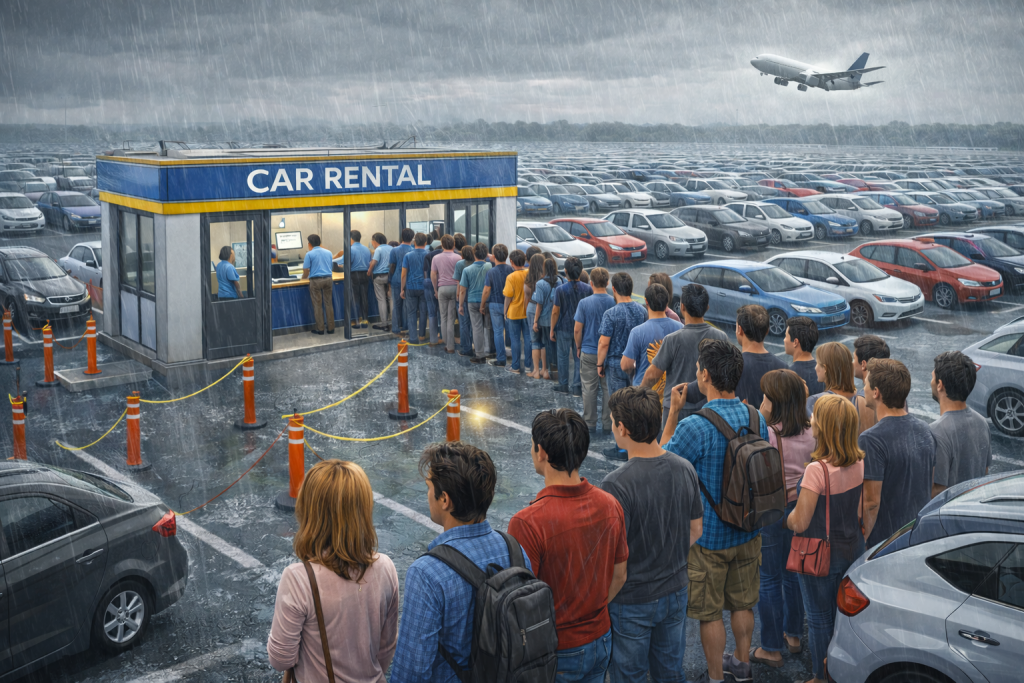
A rental car becomes attractive for exploring northern Italy beyond rail corridors. From Malpensa, road trips into Piedmont, Lombardy, the Dolomites, or southern Switzerland (Ticino) are straightforward. Scenic lake regions, alpine valleys, and rural wine areas all reward the flexibility of driving.
Conclusion — should you rent a car in Milan?
Not for the city itself, and not for visiting other major cities in northern Italy. Rail is faster, simpler, and far less stressful. You can even enjoy lake and alpine scenery without driving at all.
However, a rental car still offers extra flexibility. It becomes useful for rural areas, smaller lakes, vineyard regions, or less-connected valleys where trains thin out. In short, Milan is a superb rail base — but a car can complement it, rather than replace it, depending on how far off the main lines you want to roam.
Italy
Search for Car Rental in Milan with Economy Bookings .com
🚗 ✅ ❌ Summary Table
This summary score brings together how much you really need a car, whether it’s worth it, and an overall recommendation.







Frequently Asked Questions

|
Visited? – Have we visited Milan in person (year)?
N/A
|
|
Updates – When was this page last updated:
|
|
What are the general advantages and disadvantages of renting a car in any location?
|

|
I'm still not sure whether or not to rent a car in Milan –
can you offer more advice?
|

|
Can you advise us on how to get the best car rental deal in Milan?
|
👍🏾 / 👎🏻 Will You Rent a Car in Milan?
 Would you rent a car in Milan, or would you rely on tours or public transport instead?
Everyone travels differently, and the right choice often depends on where you’re going, how long you’re staying, and what kind of trip you’re planning.
Would you rent a car in Milan, or would you rely on tours or public transport instead?
Everyone travels differently, and the right choice often depends on where you’re going, how long you’re staying, and what kind of trip you’re planning.
Hopefully this page has given you a quick, practical overview of the pros and cons of renting a car in Milan, and whether it’s really necessary or not. Maybe it’s helped you make up your mind — or maybe you’ve already visited and have insights to share.
We always welcome comments, questions, and comparisons with other cities.
All feedback is read, and any questions or clarifications are usually replied to within 24 hours.