
Europe > 🇩🇪 Germany > Munich (MUC)

🚆 🚌⛴️ Do you need to rent a car in Munich ?
These scores are based on the quality of public transport and other travel options. If these are good enough to see the main points of interest, then you don’t strictly need to rent a car.

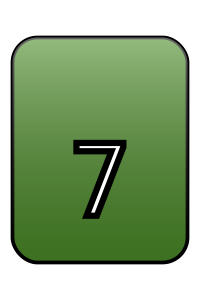

- For all transport modes, a score of 0 = very poor or none available; 10 = outstandingly good.
💰💶💳 Is it worth hiring a car in Munich?
These scores reflect the practical factors that affect whether renting a car is convenient, good value, and stress-free.

- For all factors, a score of 0 = very poor; 10 = outstandingly good
Munich Car Rental Costs
Price bands:
- From 1 ($0-10 per day) to 10 ($90-100 per day);
- For typical cheapest available economy hire car;
- Jan - Mar 2027 / Apr - Dec 2026.
- Prices correct as of Feb 2026 - estimates only, not a guarantee.
Munich without a car 🚋🚶♂️
To begin with, Munich itself is exceptionally well served by public transport. The U-Bahn, S-Bahn, trams, and buses form a dense, reliable network that makes it easy to move around the city without driving. The historic centre is compact and walkable, while key districts, museums, beer halls, and parks are all just a short ride away.
Munich Airport is connected by S-Bahn, but it’s worth noting that the airport sits to the northeast of the city, while most Alpine destinations lie to the south. That geographic detail matters. If you pick up a rental car at the airport and then head for the Alps, you’ll often spend extra time fighting your way across or around the city first. Trains, by contrast, run straight through the heart of Munich, making onward journeys simpler and often faster.
Day trips into the Alps by train 🏔️🚆
One of Munich’s biggest advantages is that it acts as a gateway to the Alps. From Munich Hauptbahnhof, regional and long-distance trains fan out in all directions. Popular Alpine destinations such as Garmisch-Partenkirchen, Mittenwald, Berchtesgadener Land, and even Innsbruck in Austria are all reachable by direct train.
For many travellers, this makes a rental car unnecessary. You can leave Munich in the morning, hike or explore alpine towns, and return the same evening — all without worrying about mountain driving, parking, or weather conditions. Bavaria’s regional trains are frequent, scenic, and well integrated with local buses and cable cars once you arrive.
Rail investment and the second S-Bahn tunnel 🚧
Looking ahead, Munich is doubling down on rail rather than roads. The city is currently constructing a second S-Bahn tunnel beneath the city centre, one of Germany’s largest urban rail projects. This new tunnel will massively increase capacity, reduce delays, and improve reliability for cross-city services.
For visitors, this reinforces Munich’s strength as a rail hub. Whether you’re heading north to Nuremberg, west towards Stuttgart, east into Austria, or south into the Alps, trains will only become more convenient over time.
Neuschwanstein Castle from Munich: train, bus, or tour? 🏰🚆🚌
Neuschwanstein Castle is very realistic to visit from Munich without a car, and in fact many visitors do exactly that. The classic rail route is to take a direct train from Munich to Füssen, which takes roughly 2 hours. Füssen is a pleasant Bavarian town in its own right and the southern terminus of the line. From Füssen station, local buses run frequently to Hohenschwangau, the village at the foot of the castle. The bus journey takes about 10 minutes and is timed to meet arriving trains, especially during peak tourist seasons.
Once you reach Hohenschwangau, the final approach to Neuschwanstein is on foot, by shuttle bus, or by horse-drawn carriage. Private cars are heavily restricted in the village, so even if you drove, you would still end up parking and walking the last section. In that sense, public transport visitors lose very little compared to drivers.
Tours versus independent travel 🚍🤔
Alternatively, Neuschwanstein is one of the most popular organised day tours from Munich. Tour buses run daily, often combining the castle with other sights such as Linderhof Palace or Oberammergau. These tours are convenient and remove all logistics, but they are tightly scheduled and can feel rushed, especially during busy periods.
Travelling independently by train and bus gives you far more flexibility. You can choose early or late trains, spend time in Füssen, linger at viewpoints like Marienbrücke, and control how long you stay. The rail journey itself is scenic, especially as you approach the Alps, which adds to the experience.
Car or no car for Neuschwanstein? 🚗🚆
A rental car is not necessary to visit Neuschwanstein from Munich, and for many visitors it’s actually less convenient due to parking constraints and traffic. A car only really becomes useful if you plan to combine the castle with multiple remote Alpine stops in one day. For a single visit, train + bus is the sweet spot — efficient, scenic, and very much in keeping with Bavaria’s excellent public transport culture.
When a rental car still makes sense 🚗
That said, a rental car can still be useful in specific situations. If you want to explore remote Alpine valleys, visit multiple small villages in a single day, or travel very early or late when trains are less frequent, driving offers flexibility. The same applies if you plan a longer road trip across Bavaria or into Austria and Italy.
However, for a classic Munich + Alps combination, many visitors find that trains are not just sufficient but preferable. They avoid traffic, bypass the airport’s awkward location, and deliver you directly from city centre to mountain scenery.
Munich: a city shaped by cars, but not ruled by them 🚗🚲
Munich is, undeniably, one of Europe’s great car cities. Most famously, it is home to BMW’s global headquarters, a striking tower designed in the shape of the company’s four-cylinder engine — often mistaken for the BMW logo itself — alongside the BMW Museum and BMW Welt. The presence of BMW runs deep in the city’s identity, from employment to engineering culture, and it reinforces the idea that Munich understands cars not just as transport, but as design and technology.
Cars, cycling, and rail living side by side 🚆🚲
In practice, Munich is a city where car engineers cycle to work, and where commuters who could afford to drive often choose not to. The city has invested heavily in a high-quality cycling network, with wide paths, green corridors, and excellent integration with public transport. It is entirely normal to see business professionals, students, and families cycling across the city, even though Munich is wealthy enough that car ownership is widespread.
At the same time, Munich’s rail network underpins daily life and tourism alike. The S-Bahn and U-Bahn systems work seamlessly together, making it easy to move between neighbourhoods, suburbs, and the historic centre. For visitors, this becomes apparent almost immediately on arrival at the airport, where rail connections deliver you straight into the city without any need to think about driving.
In short, Munich proves that being a car city does not mean being car-dependent. It is a place where automotive excellence, cycling culture, and rail-based mobility coexist — and that balance is exactly why a rental car is often unnecessary for a Munich city break, even in the home city of BMW.
Munich and Salzburg: a classic rail-based twin-city stay 🎼🚆
One of the easiest and most rewarding ways to extend a Munich city break is to combine it with Salzburg, and this pairing works exceptionally well by train. Frequent direct services link Munich Hauptbahnhof with Salzburg in around 1 hour 30 minutes, making the journey fast, scenic, and stress-free. Trains run throughout the day, so it’s easy to travel one way for an overnight stay or even visit Salzburg as a long day trip. Once you arrive, Salzburg is compact, walkable, and perfectly suited to a no-car visit. The historic Old Town, Mozart’s birthplace, and the hilltop fortress all sit close together, while fans of The Sound of Music can reach filming locations by local bus or organised tour. In short, Munich and Salzburg together form one of Europe’s best rail-based twin-city itineraries, where a rental car adds little and the journey itself becomes part of the pleasure.
Conclusion: Should you rent a car in Munich? 🤔
In the end, Munich strongly favours a no-car city stay, and it remains one of the best bases in Europe for train-based Alpine day trips. A rental car only becomes truly advantageous for more remote exploration or multi-country road trips. For most visitors, Munich proves that city breaks and mountain adventures don’t need a steering wheel at all.
Search for Car Rental in Munich with Economy Bookings .com
🚗 ✅ ❌ Summary Table
This summary score brings together how much you really need a car, whether it’s worth it, and an overall recommendation.





Frequently Asked Questions

|
Visited? – Have we visited Munich in person (year)?
N/A
|
|
Updates – When was this page last updated:
|
|
What are the general advantages and disadvantages of renting a car in any location?
|

|
I'm still not sure whether or not to rent a car in Munich –
can you offer more advice?
|

|
Can you advise us on how to get the best car rental deal in Munich?
|
👍🏾 / 👎🏻 Will You Rent a Car in Munich?
 Would you rent a car in Munich, or would you rely on tours or public transport instead?
Everyone travels differently, and the right choice often depends on where you’re going, how long you’re staying, and what kind of trip you’re planning.
Would you rent a car in Munich, or would you rely on tours or public transport instead?
Everyone travels differently, and the right choice often depends on where you’re going, how long you’re staying, and what kind of trip you’re planning.
Hopefully this page has given you a quick, practical overview of the pros and cons of renting a car in Munich, and whether it’s really necessary or not. Maybe it’s helped you make up your mind — or maybe you’ve already visited and have insights to share.
We always welcome comments, questions, and comparisons with other cities.
All feedback is read, and any questions or clarifications are usually replied to within 24 hours.