
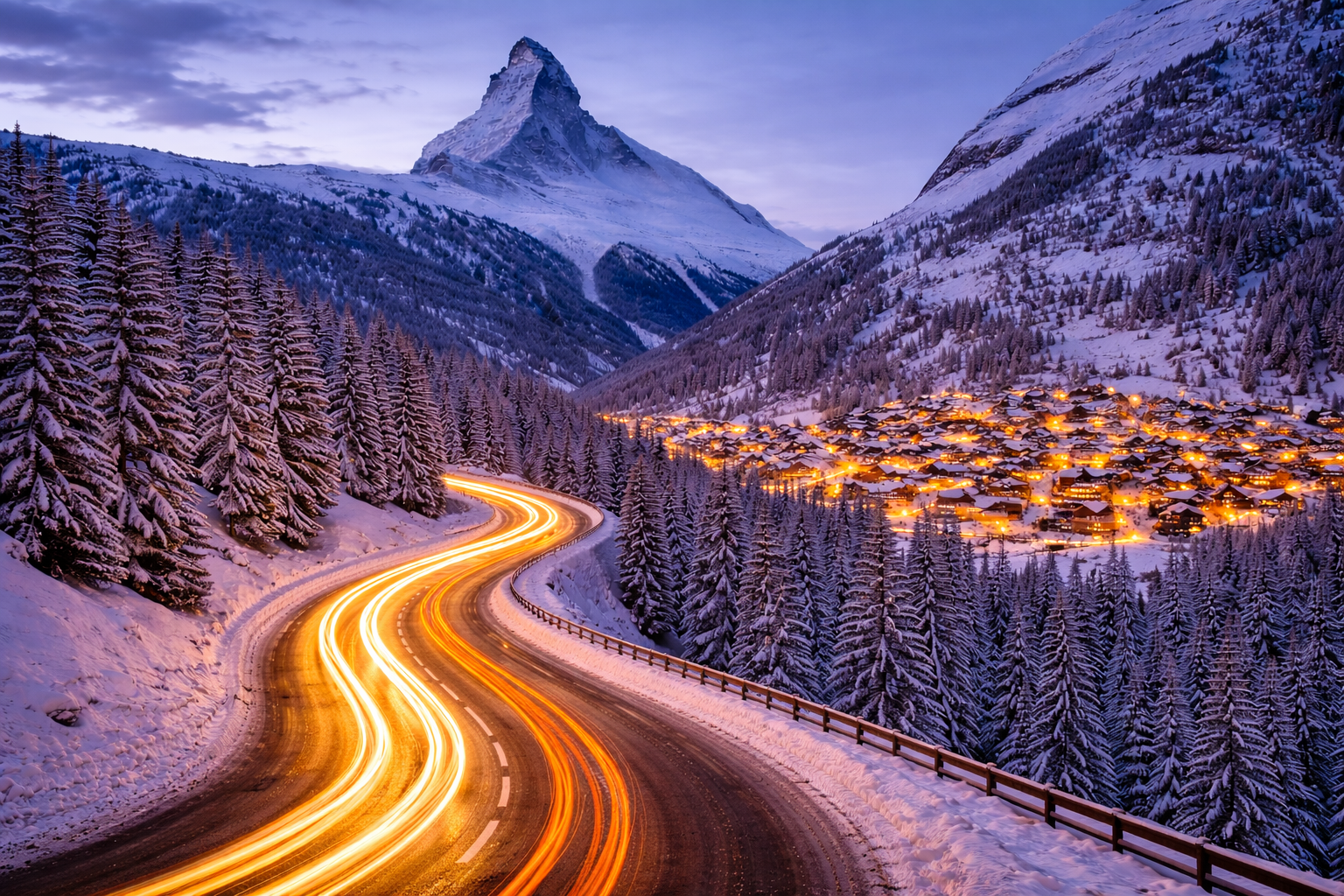
Why we use AI-generated images – and why we’re open about it
Travel is visual. Whether someone is researching a city they already know, planning a future trip, or simply exploring somewhere new, images matter. They give context, atmosphere, scale, and emotion in a way that text alone simply cannot.
For many years, we ran text-based websites. They worked, they ranked, and they were informative — but we also know, from experience and from analytics, that pages with images perform better. Users stay longer, absorb information more easily, and are more likely to continue exploring.
As this site is relaunching with full global coverage, we’ve reached a scale where traditional approaches to travel imagery simply no longer work — and that’s where AI-generated images come in.
This post explains why we use AI images, how we use them, and what we believe is the most honest and practical approach to imagery at global scale.
The scale of what we’re building
Our aim is ambitious:
-
🌍 Coverage of over 300 countries and territories
-
🏙️ Coverage of more than 1,000 cities worldwide
-
📝 Ongoing publication of two to three new blog posts every day
Many of the city pages are already complete. Increasingly, our focus is on:
-
Deepening existing content
-
Adding supporting blog posts
-
Creating thematic guides and explainers
-
Improving overall quality and usability
At this scale, the challenge isn’t writing — it’s imagery.
Why “just sourcing photos” doesn’t work at this scale
In an ideal world, every page would have:
-
Original photography
-
Taken on location
-
Delivered instantly
-
In consistent quality and style
In reality, none of those conditions reliably hold.
Visiting everywhere is impossible
Physically travelling to 1,000 cities in 300 countries is not just impractical — it’s impossible in terms of time, cost, and environmental impact.
Manual image sourcing is slow and unreliable
Even when images exist:
-
Replies are not instant
-
Usage rights are often unclear
-
Responses may never arrive
-
Quality and framing vary widely
Even websites actively promoting hotels, attractions, or destinations often cannot supply usable images quickly, if at all.
Stock photography has limits
Stock libraries and wikis help, but:
-
They become expensive at scale
-
Images are reused endlessly across the web
-
They tend toward clichés
-
Lesser-known places are often poorly represented
The result? Large parts of the world end up under-illustrated, not because they’re uninteresting, but because imagery is hard to source.
Why images matter — even just one
From both a user and publisher perspective, the difference between no image and one image is enormous.
Even a single relevant image:
-
Anchors the page visually
-
Helps users orient themselves
-
Breaks up long blocks of text
-
Increases time on page
-
Improves accessibility and comprehension
Ideally, we’d like to use five to ten images per post, especially for long-form guides. That isn’t always practical — but even when it isn’t, one image is vastly better than none.
Where AI-generated images fit in
AI-generated images allow us to:
-
Create instant visual context
-
Represent places and scenes that are otherwise hard to illustrate
-
Maintain consistent quality and tone
-
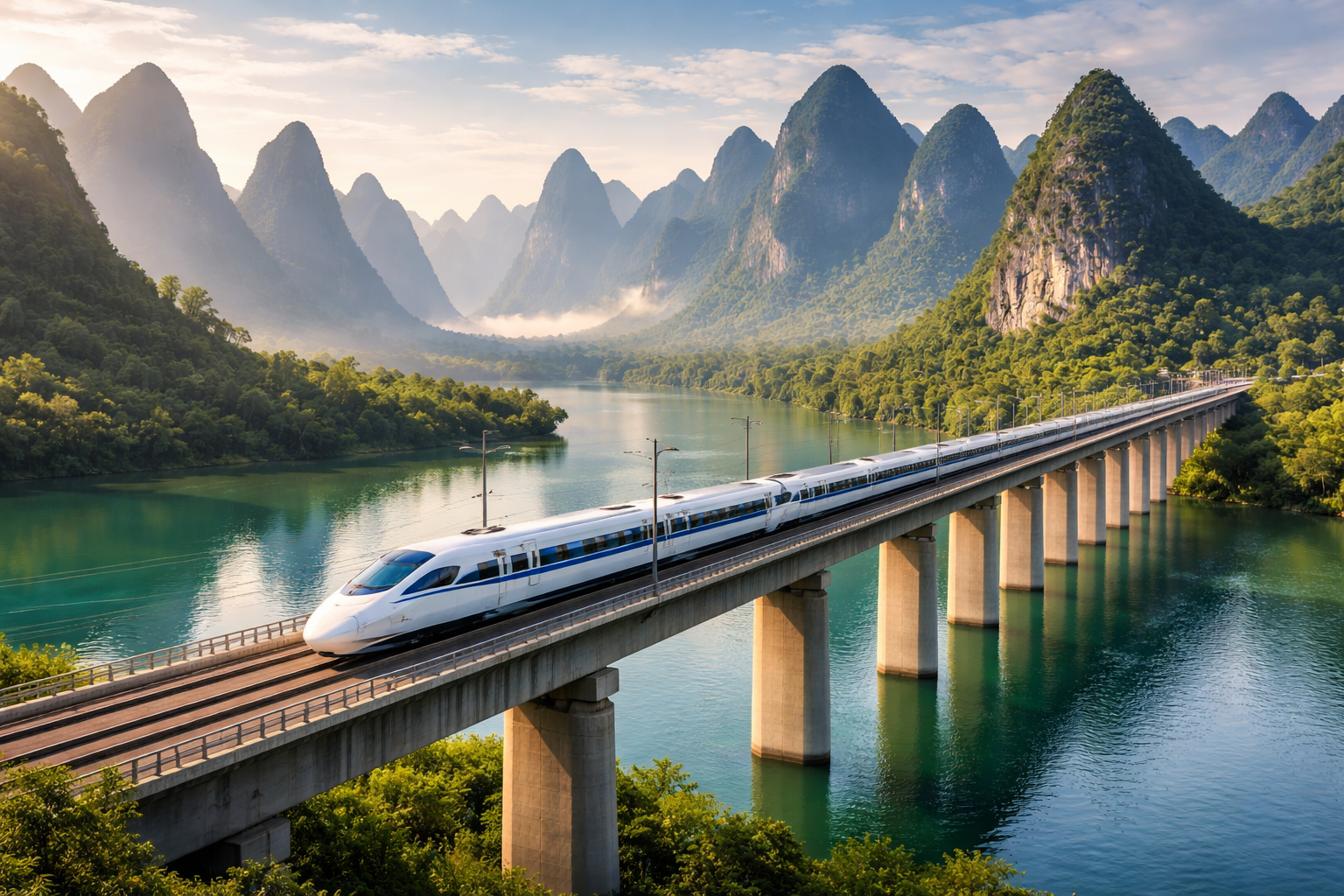
Allow us more featuring of transport modes (cars, trains etc)
-
Scale imagery alongside written content
-
Publish without long delays
Even when an image takes two or three attempts to refine, the process is virtually instant compared to traditional sourcing.
This isn’t about replacing photography. It’s about making pages usable and informative today, rather than perfect but unfinished.
What AI images are — and what they are not
It’s important to be clear.
Our AI-generated images are:
-
Illustrative
-
Representative
-
Conceptual
They are not:
-
Claims of personal presence
-
Documentary photographs
-
Substitutes for local photographers
-
Assertions of exact reality
In that sense, they sit comfortably alongside:
-
Illustrated atlases
-
Artist impressions
-
Engravings in historical travel books
-
CGI visualisations used everywhere from architecture to tourism marketing
They are there to support understanding, not to mislead.
Transparency matters
We believe honesty builds trust.
That’s why we’re open about:
-
When images are AI-generated
-
Why we use them
-
How they fit into the wider content strategy
As real photography becomes available — through travel, partnerships, or submissions — AI images can be:
-
Replaced
-
Supplemented
-
Expanded
-
Improved
Nothing is fixed or hidden.
A practical and sustainable approach
There’s also a wider context.
Compared with:
-
Long-haul research trips
-
Repeated flights
-
Physical photography logistics
AI image generation has a very small environmental footprint per image. When used sensibly, it allows us to build a genuinely global reference without pretending we can be everywhere at once.
For a project of this scale, it is not just practical — it is responsible.
A comparison with flying for 10,000 images
Generating around 10,000 AI images — allowing for retries, iteration, and the reality of producing enough usable assets for a functional website like this one — uses on the order of a few hundred kilowatt-hours of electricity, costing tens of pounds on typical UK business tariffs. In carbon terms, this comes out at roughly 50–60 kg of CO₂e, depending on assumptions about grid intensity and workflow efficiency. That puts the energy and emissions of serious image generation well above trivial digital activity, but far below most everyday high-carbon behaviours.
When compared with travel, the result is striking. A short domestic UK flight, such as Manchester to Edinburgh, sits in almost exactly the same range. Without accounting for aviation’s non-CO₂ effects, the flight is slightly lower; once radiative forcing is included — which atmospheric science broadly supports, despite uncertainty over its precise scale — the flight is clearly higher.
In other words, 10,000 images falls neatly between “flight without RF” and “flight with RF”, making it a fair, defensible comparison. It is also telling that this is a route that no longer exists: replaced by a fast, direct rail service and rendered commercially unviable by taxation that rightly penalises short-haul flying. In practical terms, the electricity cost of generating those images is comparable to a one-way intercity train ticket, reinforcing the idea that this level of digital production is not free — but neither is it excessive when set against activities society already considers normal.
Poor Quality and Missing Images
We are also extremely fortunate to have visited some of the world’s most dramatic places long before this site ever existed — in some cases 30 or even 40 years ago. The downside of that good fortune is that the photographic record is often incomplete. In a few cases, images have simply gone missing altogether. Photographs taken at Niagara Falls, for example, no longer exist in any usable form. In other cases, the images do survive, but the quality is so poor that they would never be used to inspire or promote travel to a destination today.
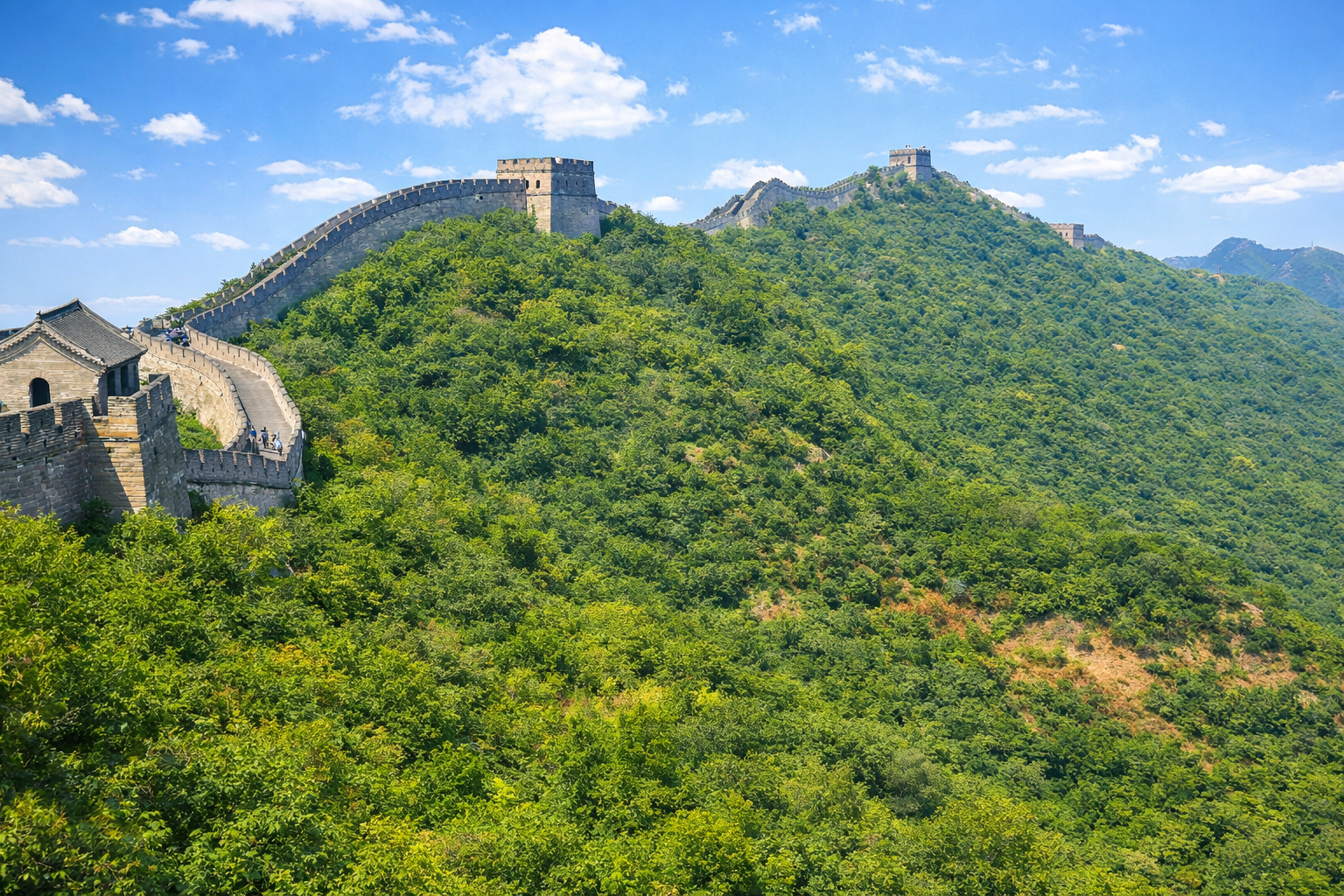
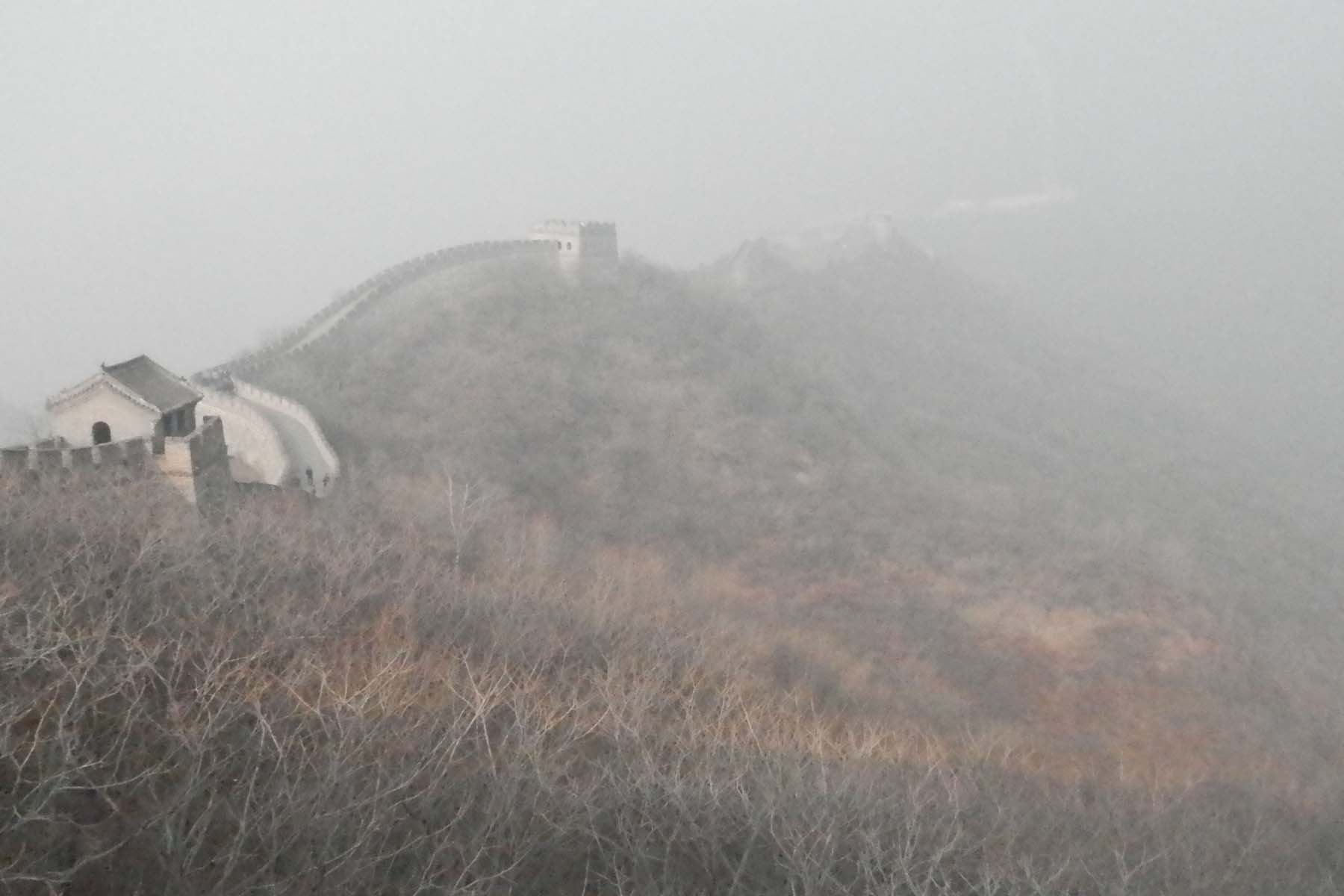
This is particularly true of our visit to what we jokingly refer to as the “Great Pall of China” — a nod to how washed-out and grey the photographs appear — better known, of course, as the Great Wall of China, visited in January 2014. At that time, air pollution around Beijing was significantly worse than it is today, and winter conditions combined with haze produced images that are technically accurate but visually unappealing. Since then, huge efforts have been made to reduce pollution, and the vast majority of visitors go in summer, when skies are clearer, light is stronger, and vegetation is lush and green. AI imagery allows us to show what most visitors are likely to experience now, rather than what a cold, polluted winter morning looked like over a decade ago.
It’s also worth remembering that when some of these trips happened, creating a travel blog was not even a distant career option. Visiting Niagara Falls as a student in 1996, for example, was about seeing the world, not documenting it for future publication. Cameras were basic, storage was limited, and nobody was thinking about SEO, hero images, or evergreen content.
There are also places we have technically “been to” but only in the loosest sense. Sometimes this means changing planes — passing through cities like Dubai or Munich without ever leaving the terminal. Despite that, both cities have since been extensively researched, with proper return visits very much in mind. At other times, the experience is even more fleeting: a city glimpsed briefly from a train window, especially in Europe, where rail travel passes directly through urban centres at speed.
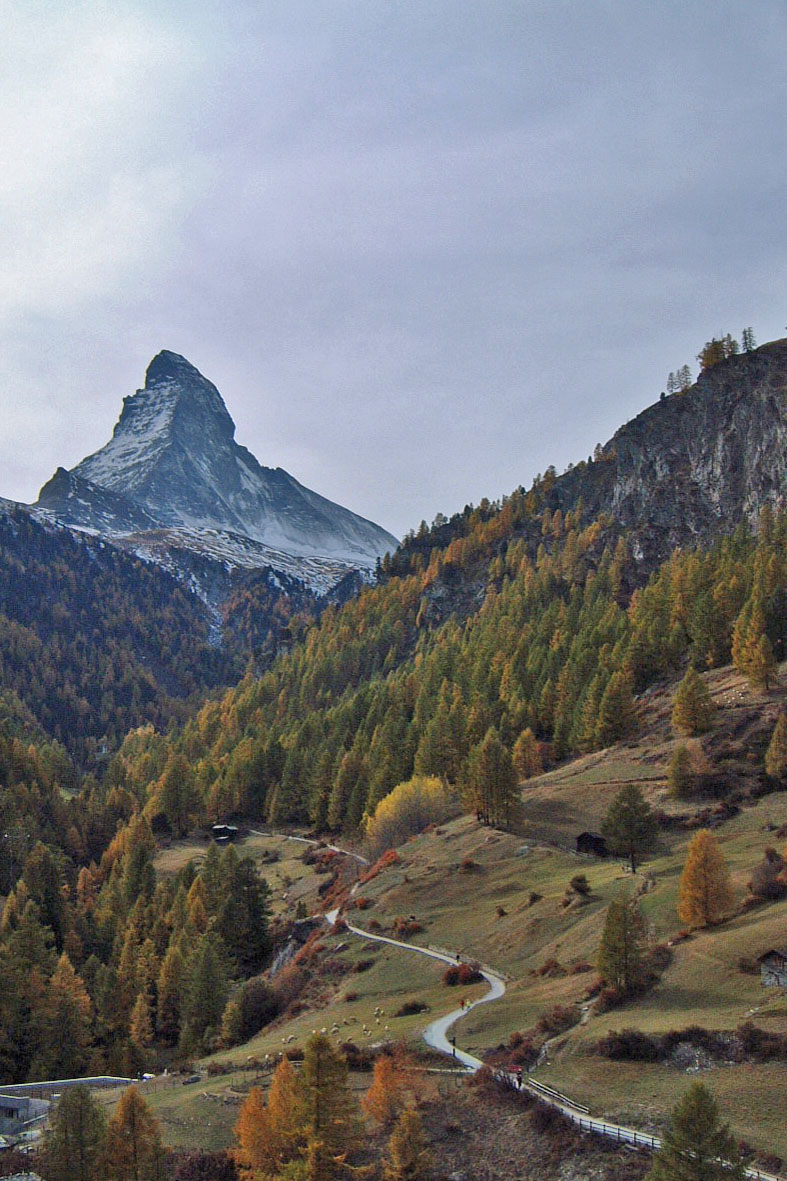
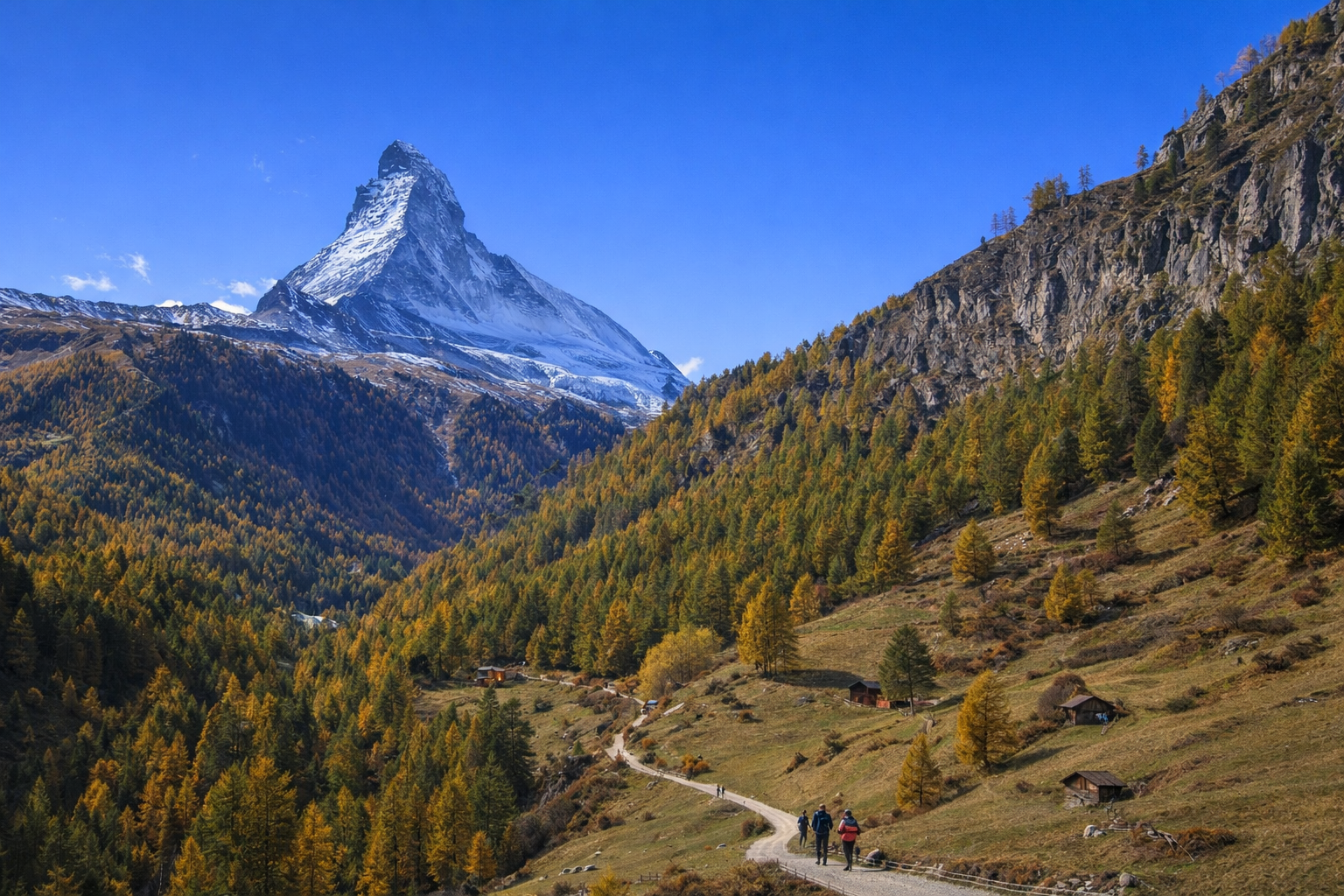
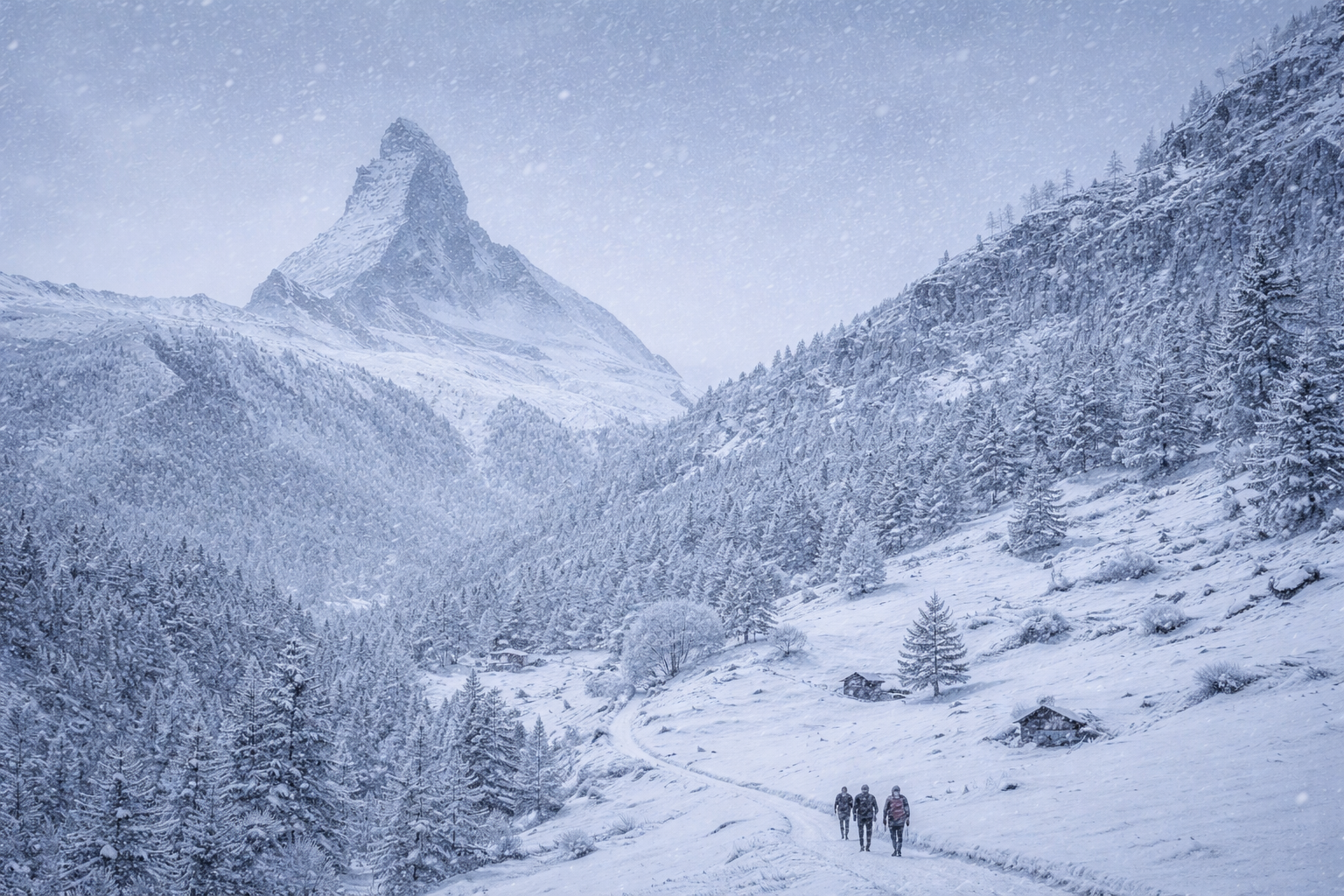
All of this reinforces the same point: absence of usable photography does not mean absence of interest, research, or intent. AI images allow us to bridge the gap between lived experience, historical reality, and present-day expectations — ensuring that every destination, whether visited decades ago, passed through briefly, or not yet visited at all, is presented clearly, honestly, and attractively.
Our guiding principle
Our goal is simple:
Useful, readable, visually supported travel content — for everywhere, not just the easiest places to photograph.
AI images help us do that.
They allow us to treat a small city, a remote region, or a lesser-known destination with the same care and visual attention as a major capital — something traditional approaches rarely achieve.
In short
-
We use AI images to make content better, clearer, and more accessible
-
We prioritise coverage, consistency, and usefulness
-
We remain transparent and flexible
-
And we always prefer some imagery over none at all
As the site evolves, so will the balance between AI imagery and traditional photography. What won’t change is our commitment to clarity, honesty, and building something genuinely useful for people who love exploring the world — whether physically or through a screen. 🌍✨