
Europe > 🇦🇹 Austria
The city by city Car or no Car advice for Austria can be broken down into three similar questions - do you need a car in Austria; is it worth it (based on costs), and ultimately - should you rent one? (a balance of the two).🚆 🚌⛴️ Do we need to rent a car in Austria?
These scores are based on the quality of public transport and other travel options. If these are good enough to see the main points of interest for a typical holiday/vacation, then you don’t strictly need to rent a car.


💰💶💳 Is it worth hiring a car in Austria?
These scores reflect the practical factors that affect whether renting a car is convenient, good value, and stress-free.
🏙️ Main Cities in Austria
The good news? Austria makes both options great — but for totally different reasons. Let’s break it down like we’re chatting over an apple strudel.
🚆 If You’re Visiting the Big Cities – Skip the Car
Austria’s cities are built for walking, trams, and trains — not for parking tickets.
Cities Where You Absolutely Don’t Need a Car:
| City | Why No Car Needed | How You’ll Get Around |
|---|---|---|
| Vienna | One of the best public transport systems in Europe | U-Bahn, trams, walking |
| Salzburg | Compact, charming, historic | Buses, on foot |
| Graz | Relaxed university vibe | Trams, bikes |
| Innsbruck | Mountain city with easy links | Funiculars, buses |
Why no car?
-
Low Emission Zones
-
Expensive parking
-
Super efficient trains connect all cities
-
Trams arrive faster than you can say Sachertorte
👉 If your trip is mostly cities, don’t rent a car.
🚗 But What If You Want Fairy-Tale Villages & Alpine Lakes?
This is where driving becomes chef’s kiss.
Car is Great For:
-
Lakes + Mountains: Hallstatt, Zell am See, Wolfgangsee
-
Wine country: Wachau Valley
-
Scenic routes: Grossglockner High Alpine Road (iconic drive!)
-
Charming backroads most tourists never see
✅ Benefits of Renting a Car:
-
Stop for photo ops wherever you want
-
Visit multiple villages in a single day
-
Explore hidden viewpoints you’d miss on public transport
-
Feel like you’re inside a postcard
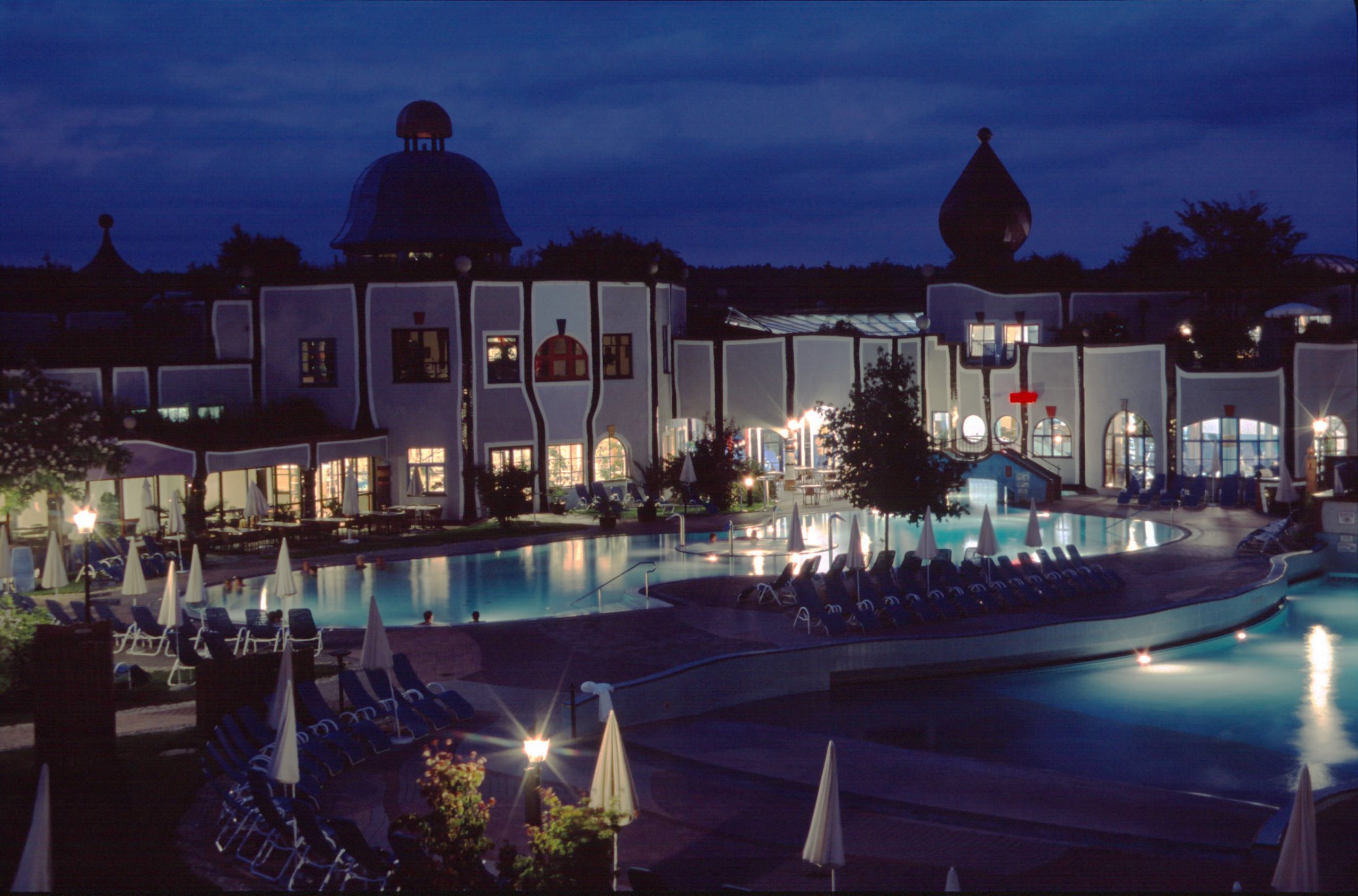
🎵 Cue Edelweiss and rolling meadows.
🚦 Driving Tips
-
Austria drives on the right
-
Roads are excellent quality
-
You’ll need a vignette (toll sticker) for motorways
-
Driving in winter requires snow tyres in alpine regions
-
Mountain driving is fun — but only if you like switchbacks!
🏁 So… Car or No Car? Here’s the Verdict
| Traveller Type | Car Needed? | Best Choice |
|---|---|---|
| City break (Vienna, Salzburg, Innsbruck) | ❌ No | Trains + trams |
| Culture and coffee houses | ❌ No | Vienna is perfect by foot and tram |
| Lakes, mountains, storybook villages | ✅ Yes | Driving adds freedom |
| Photography & scenic routes | ✅ Yes | You’ll want to stop constantly |
| Family trip | ✅ Optional | Easier with luggage and kids |
| Winter ski holiday | 🚗 Optional | Transfers available, but car gives access to multiple ski areas |
✨ Final Take
-
No car = perfect for culture, music, and imperial city vibes
-
Car = essential if you want Alpine magic, lakeside freedom, and high mountain passes
🎯 Best combo?
Train between Vienna and Salzburg → then rent a car for the lake district and Alps.
Search for Car Rental in Austria with EconomyBookings.com
🚗 ✅ ❌ Summary Table
This summary score brings together taxis*, how much you really need a car, whether it’s worth it, driver options, local driving rules, and an overall recommendation. *Taxis act as a hybrid between private cars and public transport, so they aren’t counted in the overall public-transport or non-car scores. 🚕

👍🏾 / 👎🏻 Would You Rent a Car in Austria?
Would you rent a car in Austria, or would you rely on public transport instead? 🚗🚄 Everyone travels differently, and the right choice often depends on where you’re going, how long you’re staying, and what kind of trip you’re planning.
Hopefully this page has given you a quick, practical overview of the pros and cons of renting a car in Austria, and whether it’s really necessary or not. Maybe it’s helped you make up your mind — or maybe you’ve already visited and have insights to share.
We always welcome comments, questions, and comparisons with other countries 🌍 All feedback is read, and any questions or clarifications are usually replied to within 24 hours.
4 comments
I disagree with your score for public transport in Austria.
I really don’t think it’s all that strong when you compare it with neighbours like Switzerland or Germany. Vienna’s new central station is impressive, and the rail services are generally punctual, but once you get outside the main corridors, the network just doesn’t reach deep into the mountainous countryside the way you might hope. Connections thin out quickly, and in many rural regions the alternatives are limited.
On the other hand, travelling by road in Austria is an absolute pleasure. The quality of the motorways and alpine routes is outstanding — smooth surfaces, careful maintenance, and clear signage throughout. It’s exactly what you’d expect from a country that takes engineering seriously. The Großglockner High Alpine Road remains a real standout for me: dramatic scenery, beautifully designed curves, and that feeling of being in the Alps rather than just passing through them. An unforgettable drive!
Thanks very much for the comment, Frank — much appreciated 👍🙂
I still think that Austria’s mail services are among the best you’ll find for a small European country. Reliability and consistency have long been strong points, and in recent years there have been clear further improvements linked to the higher-speed rail line, particularly in terms of faster intercity connections and better overall logistics flow 🚄📦.
It’s a good example of how investment in modern rail infrastructure can quietly improve everyday services, not just headline passenger journeys.
Where is the village the Chinese copied and is it anywhere near the funky ski jump and station designed by one of the starchitects, I cant’t remember which? Could I visit both together with Salzburg and Vienna in a week and if so, do I need a car?
Good questions — and yes, this is one of those very Austria combinations where architecture, alpine scenery and efficient transport all collide nicely 🙂
The village the Chinese copied is Hallstatt, a lakeside village in the Salzkammergut that became globally famous after a near-replica was built in Guangdong province. The original Hallstatt is very real, very small, and very scenic — perched between the lake and the mountains — and it’s been dealing with the side-effects of that fame ever since.
The “funky” ski jump you’re thinking of is almost certainly the Bergisel Ski Jump, designed by Zaha Hadid. It’s both a functioning ski jump and an architectural statement, with a café and viewing platform at the top, so it works even if you’re visiting outside ski season. Innsbruck itself is very compact and dramatic, sitting right in the Inn valley with mountains rising straight out of the city.
Geographically, Hallstatt and Innsbruck aren’t right next to each other, but they’re not wildly incompatible either. Hallstatt sits east of Salzburg, while Innsbruck is further west in Tirol. What matters more is how you group them. Hallstatt pairs very naturally with Salzburg, while Innsbruck fits better as a western stop between Salzburg and Vienna (or vice versa).
Could you do Hallstatt, Salzburg, Innsbruck and Vienna in a week? Yes — but it would be a fairly full week rather than a relaxed one. A typical rhythm might be Vienna (2–3 nights), Salzburg (2 nights, with Hallstatt as a long day trip or overnight), and Innsbruck (1–2 nights). Austria’s distances are modest, but the scenery tends to slow you down in a good way.
As for the car question: no, you don’t need one. Austria’s rail network is excellent, and all of these places are reachable by train. Hallstatt itself involves a slightly quirky final approach — train to Hallstatt station, then a short ferry across the lake — which is very much part of the charm. A car can offer flexibility, especially if you want to hop between small lakeside villages, but for a first trip linking major cities and headline sights, trains are perfectly adequate.
So yes, it’s doable in a week, yes, you can see both the copied village and the starchitect ski jump, and no, a car isn’t essential — though, as ever in the Alps, it depends on whether you want efficiency or wandering to be the dominant theme 🚆🏔️