Europe > 🇩🇪 Germany > Cologne (CGN)

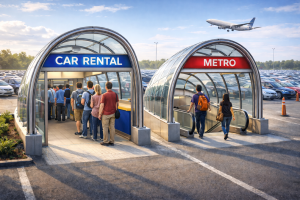
🚆 🚌⛴️ Do you need to rent a car in Cologne ?
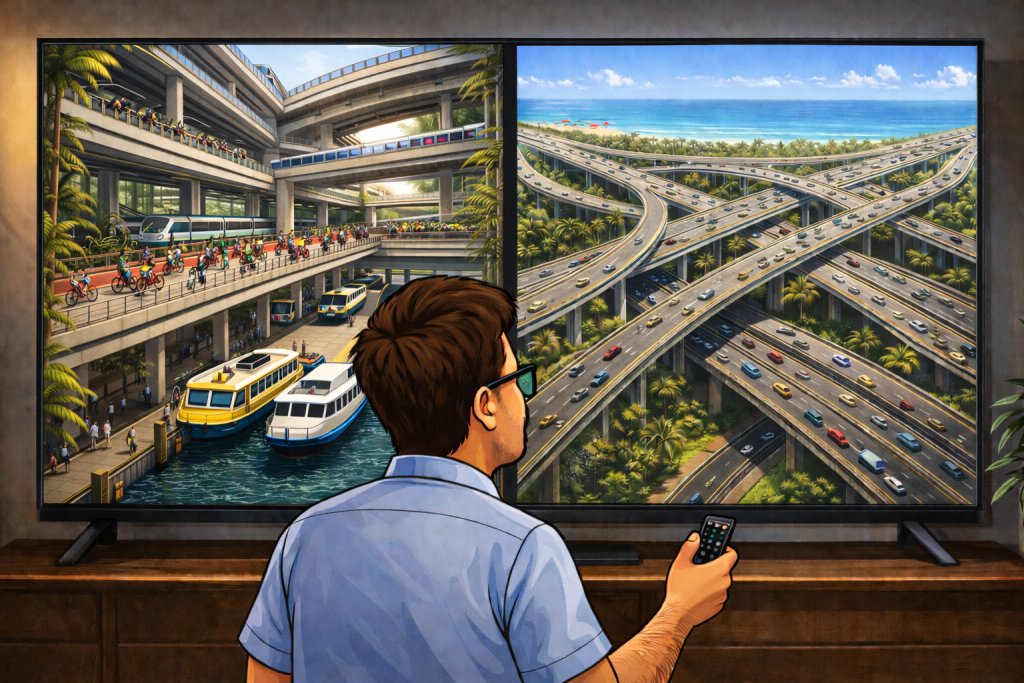
These scores are based on the quality of public transport and other travel options. If these are good enough to see the main points of interest, then you don’t strictly need to rent a car.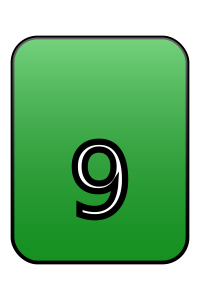
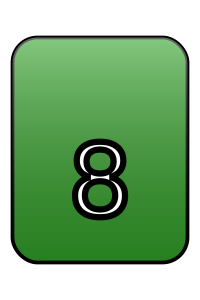
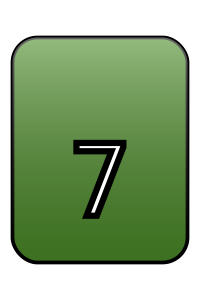
- For all transport modes, a score of 0 = very poor or none available; 10 = outstandingly good.
💰💶💳 Is it worth hiring a car in Cologne?
These scores reflect the practical factors that affect whether renting a car is convenient, good value, and stress-free.
- For all factors, a score of 0 = very poor; 10 = outstandingly good
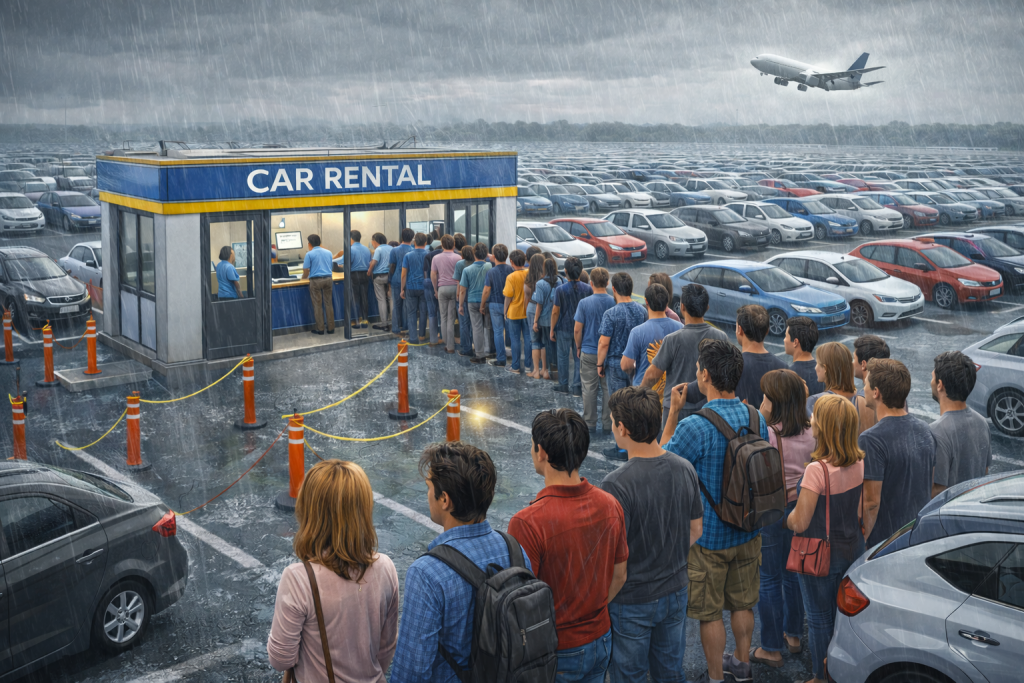
Cologne Car Rental Costs
Price bands:
- From 1 ($0-10 per day) to 10 ($90-100 per day);
- For typical cheapest available economy hire car;
- Jan - Mar 2027 / Apr - Dec 2026.
- Prices correct as of Feb 2026 - estimates only, not a guarantee.
🚆 A rail paradise: three airport links and one of Europe’s busiest HSR hubs
Cologne sits at the heart of the German high-speed network. You can step off a train from:
-
Frankfurt Airport, only 50 minutes away
-
Düsseldorf Airport, around 30–35 minutes away
-
Cologne/Bonn Airport, a quick S-Bahn hop
And, if timetables align, you can even reach Paris Charles-de-Gaulle Airport directly, thanks to ICE/TGV cooperation. Very few cities in Europe have this many airports feeding into a single rail hub.
Cologne’s station itself is a jewel. It sits directly beside the Cathedral, spilling passengers onto the forecourt with a dramatic reveal of spires and stonework. Then, after departure, Cologne greets you with another icon: the Hohenzollern Bridge, arcing over the Rhine with love locks and trains layered across the metalwork. It’s the perfect railway cityscape.
🛤️ Superb day trips: Liège, Wuppertal, Frankfurt, and more
Because Cologne sits at a crossroads, day trips become almost too easy.
🇧🇪 Liège–Guillemins
In just over an hour, you can reach Liège, home to Santiago Calatrava’s breathtaking station. It’s a destination in its own right — a cathedral of glass, steel, and flowing curves. The journey is fast, smooth, and a must for architecture and rail fans.
🌀 Wuppertal’s suspended monorail triangle
Cologne → Düsseldorf → Wuppertal → Cologne creates a perfect triangular loop.
The highlight is the Schwebebahn, Wuppertal’s suspended monorail gliding over the river and streets. It’s one of the most unique pieces of urban transport in the world. The entire loop is simple, frequent, and entirely car-free.
🇩🇪 Frankfurt and Stuttgart
High-speed trains make Frankfurt a casual day trip — often under an hour.
Even Stuttgart is manageable, thanks to the ICE’s speed and frequency.
Cologne is one of the few cities where you can visit several major German metros in one weekend without touching a steering wheel.
🚇 Moving around Cologne
The city is walkable, flat, and beautifully threaded with trams, U-Bahn, S-Bahn, and buses. The dense rail network makes it unnecessary to rent a car even for trips along the Rhine. Neighbourhoods like Ehrenfeld, Südstadt, and Deutz are easy to explore with public transport, and the station acts as a natural anchor for everything.
Parking, on the other hand, is expensive, scarce, and often stressful — yet another reason cars rarely make sense here.
🚴♂️ Cycling in Cologne: One of Europe’s best urban-river biking cities
Although Cologne shines as a rail hub, it is equally impressive for cycling, and many visitors discover that exploring by bike is one of the easiest, most enjoyable ways to move around the city. The terrain is mostly flat, the cycle paths are high quality, and the riverfront provides long, uninterrupted stretches ideal for relaxed riding. Because Cologne also has train connections to dozens of nearby towns, you can combine rail and bike travel with almost no effort.
🌊 The Rhine Cycle Path: Cologne’s signature ride
The Rheinradweg (EuroVelo 15) runs directly through Cologne, offering some of the best urban river cycling in Europe.
-
Northbound you can follow the river toward Düsseldorf, passing parks, industrial heritage zones, and quiet riverside villages.
-
Southbound takes you through Rodenkirchen, then further toward Bonn, with shaded river woodland, beaches, and easy picnic stops.
Because the route is almost completely flat, it works for families, casual riders, and long-distance cyclists alike. You can also hop on the train at any point along the corridor — almost every riverside town has a station.
🚆 Bike + train day trips from Cologne
Cologne’s brilliant rail network means you can take your bike almost anywhere:
🚴♂️ Bad Münstereifel
A charming half-timbered spa town. You can:
-
Take the train to Bad Münstereifel
-
Cycle gentle country lanes through the Eifel foothills
-
Return by rail if you prefer not to ride uphill
🚴♀️ The Bergisches Land
Take a train to Bergisch Gladbach, Overath, or Rösrath and cycle rolling forest landscapes. The gradients are steeper than Cologne itself, but the scenery is superb.
🚴 The Ahr Valley
Trains run to Ahrweiler and Dernau, where smooth cycle paths follow vineyards, riverbanks, and gentle slopes — ideal for a wine-themed day out.
🚡 What about Wuppertal? Can you cycle there?
Wuppertal is famous for the Schwebebahn monorail, but it also has one of Germany’s most innovative cycling routes — the Nordbahntrasse.
-
This is a rail-to-trail conversion along a disused railway.
-
It features gentle gradients, long tunnels, bridges, and panoramic views.
-
It’s perfect for a half-day ride.
You simply take a train from Cologne to Wuppertal Hbf, rent a bike locally, and then start riding straight from the city centre. You cannot cycle along the river (the Wupper valley is narrow and steep), but the Nordbahntrasse provides a much better and safer alternative.
🚲 Bike-sharing and rentals within Cologne
Cologne has several easy options:
-
KVB-Rad — the citywide bike-sharing system
-
Call a Bike — Deutsche Bahn’s system, often located near stations
-
Independent rental shops around Rudolfplatz, Belgian Quarter, and Old Town
Because docking stations sit at key rail and tram hubs, you can switch seamlessly between cycling and public transport.
🌳 Urban parks and off-road rides
Cologne also has an impressive greenbelt:
-
Stadtwald — wide, forested lanes perfect for casual riding
-
Volksgarten — lakes, lawns, and shaded paths
-
Rheinpark — riverside viewpoints with smooth trails
These make it easy to escape traffic without ever leaving the city.
🚗 Why renting a car in Cologne still makes sense for Rhine and Moselle explorers
Cologne makes rail travel almost irresistible. Even so, there are real reasons why travellers might still choose a rental car, especially when the goal is to wander through the Rhine and Moselle valleys.
These regions reward slow travel, spontaneous detours, and the freedom to stop whenever a view catches your eye. Trains run through both valleys, and riverboats link the major towns, but the most charming corners often sit just above the tracks, tucked into hillsides or perched beside small vineyards. Because of this, if you rent a car in Cologne, it will give you access to places that don’t sit neatly on rail lines or timetables.
Driving the Rhine south from Cologne feels classic. You pass castles, cliffs, and terraced vineyards almost immediately. Places like Boppard, Bacharach, St. Goar, and Oberwesel all sit close to the road, but many tiny hamlets require a short drive up winding lanes. The Moselle valley is even more intimate. It curves so tightly that rail lines sometimes retreat inland, leaving villages like Beilstein, Traben-Trarbach, and Bernkastel-Kues better reached by car. So if you want flexibility, a rental car becomes a practical choice.
That said, wine touring raises a key question: why rent a car at all if wine tasting is the whole point? The Rhine and Moselle both offer vineyards within walking distance of stations, and riverboats also link many tasting rooms. Self-guided tours by train remove all concerns about driving after sampling. They also let each traveller drink freely, without designating a sober driver for the day.
Even so, some visitors enjoy the novelty of Autobahn driving. While long stretches now carry speed limits — and tailgating rules are enforced strictly — the experience of cruising efficiently between scenic loops still appeals. A car delivers freedom, but rail and river options remain strong alternatives, especially for wine-focused trips.
🧭 Conclusion – Should you rent a car in Cologne?
-
🚆 No – absolutely not for a city break. Cologne is one of Europe’s greatest rail cities, with astonishing connections, easy local transport, and world-class day trips.
-
❔ Maybe only if you plan a deep countryside road trip along the Rhine or Moselle.
Search for Car Rental in Cologne with Economy Bookings .com
🚗 ✅ ❌ Summary Table
This summary score brings together how much you really need a car, whether it’s worth it, and an overall recommendation.



Frequently Asked Questions

|
Visited? – Have we visited Cologne in person (year)?
N/A
|
|
Updates – When was this page last updated:
|
|
What are the general advantages and disadvantages of renting a car in any location?
|
|
I'm still not sure whether or not to rent a car in Cologne –
can you offer more advice?
|

|
Can you advise us on how to get the best car rental deal in Cologne?
|
👍🏾 / 👎🏻 Will You Rent a Car in Cologne?
 Would you rent a car in Cologne, or would you rely on tours or public transport instead?
Everyone travels differently, and the right choice often depends on where you’re going, how long you’re staying, and what kind of trip you’re planning.
Would you rent a car in Cologne, or would you rely on tours or public transport instead?
Everyone travels differently, and the right choice often depends on where you’re going, how long you’re staying, and what kind of trip you’re planning.
Hopefully this page has given you a quick, practical overview of the pros and cons of renting a car in Cologne, and whether it’s really necessary or not. Maybe it’s helped you make up your mind — or maybe you’ve already visited and have insights to share.
We always welcome comments, questions, and comparisons with other cities.
All feedback is read, and any questions or clarifications are usually replied to within 24 hours.