Europe > 🇨🇭 Switzerland > Bern (BRN)

🚆 🚌⛴️ Do you need to rent a car in Bern ?
These scores are based on the quality of public transport and other travel options. If these are good enough to see the main points of interest, then you don’t strictly need to rent a car.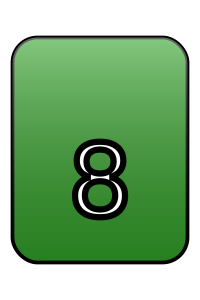
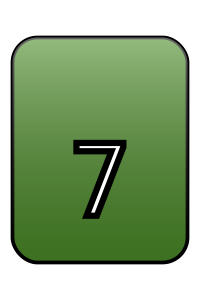
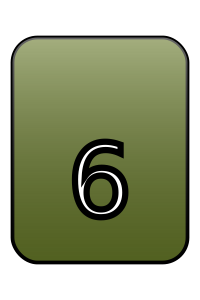
- For all transport modes, a score of 0 = very poor or none available; 10 = outstandingly good.
💰💶💳 Is it worth hiring a car in Bern?
These scores reflect the practical factors that affect whether renting a car is convenient, good value, and stress-free.


- For all factors, a score of 0 = very poor; 10 = outstandingly good
Bern Car Rental Costs
Price bands:
- From 1 ($0-10 per day) to 10 ($90-100 per day);
- For typical cheapest available economy hire car;
- Jan - Mar 2027 / Apr - Dec 2026.
- Prices correct as of Feb 2026 - estimates only, not a guarantee.
🏰 The Old Town: A Perfect No-Car Zone
Bern’s Altstadt is a UNESCO World Heritage site.
Its arcades, fountains, towers, and sandstone buildings create a compact historic centre that begs to be explored on foot.
You can stroll easily between:
-
Zytglogge
-
Federal Palace
-
Münster Cathedral
-
Kramgasse
-
The River Aare viewpoints
➡ A car is useless here — and mostly restricted anyway.
🚋 Trams and Buses Keep Everything Seamless
Bern’s public transport system is famously smooth.
Trams and buses run every few minutes and connect the entire city.
Because stops are well placed and mobility is easy, moving between districts feels simple and predictable.
➡ Transit replaces any need for a rental car.
🚆 Swiss Rail Makes Day Trips Effortless
Bern’s station is a powerhouse.
From here, you can reach:
-
Interlaken and Lauterbrunnen
-
Thun and its lakes
-
Lucerne
-
Zurich
-
Neuchâtel
Swiss rail is always punctual, clean, and comfortable.
Even stunning Alpine destinations are reachable without driving.
➡ Trains make regional exploring wonderfully easy.
🥾 Walking and Cycling Add to the Experience
Bern is compact enough for long walks, and the Aare riverside paths are gorgeous.
Cycling is also rising in popularity thanks to well-marked routes and e-bike rentals.
➡ Outdoor activities favour car-free visitors.
🚫🚗 A Giant Low-Traffic Region in the Heart of the Alps
One of the most remarkable — and often overlooked — features of the Bernese Oberland is that it effectively functions as one of the largest low-traffic neighbourhoods in Europe. The entire area surrounding the Eiger, Mönch, and Jungfrau mountains forms a huge loop where cars cannot pass through the centre of the region at all. Instead, road traffic has to remain on the outer ring.
To understand it, imagine a circuit starting in Interlaken, travelling clockwise to Goms, continuing to Brig, and then following the Rhône valley to Sion before eventually sweeping back north-east toward Spiez. You can drive this loop for five hours or more, but you will never cut through the Jungfrau massif, because no road crosses the heart of this region.
🚆 Only the Lötschberg Car Transporter Crosses the Middle
The Lötschberg summit tunnel provides the one and only “through route” — and even then, it’s not a road. Cars must be loaded onto the car-transporter train at Kandersteg, travel through the mountain by rail, and emerge at Goppenstein. There is simply no driveable road linking the two sides of the Bernese Alps here.
This design means thousands of vehicles that would normally transit the region have no option but to bypass it entirely.
🚶♂️🚴🚌 Perfect Terrain for Walking, Cycling, Mountain Railways, and Postbuses
Because no through-traffic exists within the central valleys, the Bernese Oberland is incredibly calm and safe for:
-
Hiking
-
Cycling
-
Mountain railways (Wengen, Mürren, Jungfraujoch, Kleine Scheidegg)
-
PostBus routes (including the famous Grimsel and Susten services)
Some high passes — such as the Grosse Scheidegg — are open to buses and cyclists in summer, but closed to private cars year-round. These quiet routes feel almost like nature reserves rather than mountain highways.
The result is a region where you can move freely using public transport and your own feet, without ever competing with heavy traffic. It’s a major reason the Jungfrau area is considered one of the most accessible mountain regions in the world without needing a car.
🚗 When a Rental Car Can Help
A rental car becomes useful only if you plan to reach:
-
Remote Emmental farms
-
Scattered Alpine hamlets
-
Small lakes not near rail stations
-
Guesthouses deep in the countryside
These places are beautiful but not well served by buses or trains.
➡ The more rural you go, the more a car helps.
🧭 Quick Decision Table
| Your Plans in Bern | Car Needed? |
|---|---|
| Staying in the Old Town | ❌ No |
| Using trams + trains | ❌ No |
| Major Alpine destinations | ❌ No |
| Visiting Emmental villages | ❔ Optional |
| Deep countryside touring | ✅ Yes |
🎯 Conclusion: Should You Rent a Car in Bern?
-
❌ Skip the car for Bern itself and for classic Swiss day trips — the public transport system is too good to ignore.
-
❔ Consider renting a car only if your plans involve rural valleys, off-grid farm stays, or secluded hamlet travel.
Search for Car Rental in Bern with Economy Bookings .com
🚗 ✅ ❌ Summary Table
This summary score brings together how much you really need a car, whether it’s worth it, and an overall recommendation.







Frequently Asked Questions

|
Visited? – Have we visited Bern in person (year)?
2007
|
|
Updates – When was this page last updated:
|
|
What are the general advantages and disadvantages of renting a car in any location?
|
|
I'm still not sure whether or not to rent a car in Bern –
can you offer more advice?
|

|
Can you advise us on how to get the best car rental deal in Bern?
|
👍🏾 / 👎🏻 Will You Rent a Car in Bern?
 Would you rent a car in Bern, or would you rely on tours or public transport instead?
Everyone travels differently, and the right choice often depends on where you’re going, how long you’re staying, and what kind of trip you’re planning.
Would you rent a car in Bern, or would you rely on tours or public transport instead?
Everyone travels differently, and the right choice often depends on where you’re going, how long you’re staying, and what kind of trip you’re planning.
Hopefully this page has given you a quick, practical overview of the pros and cons of renting a car in Bern, and whether it’s really necessary or not. Maybe it’s helped you make up your mind — or maybe you’ve already visited and have insights to share.
We always welcome comments, questions, and comparisons with other cities.
All feedback is read, and any questions or clarifications are usually replied to within 24 hours.